
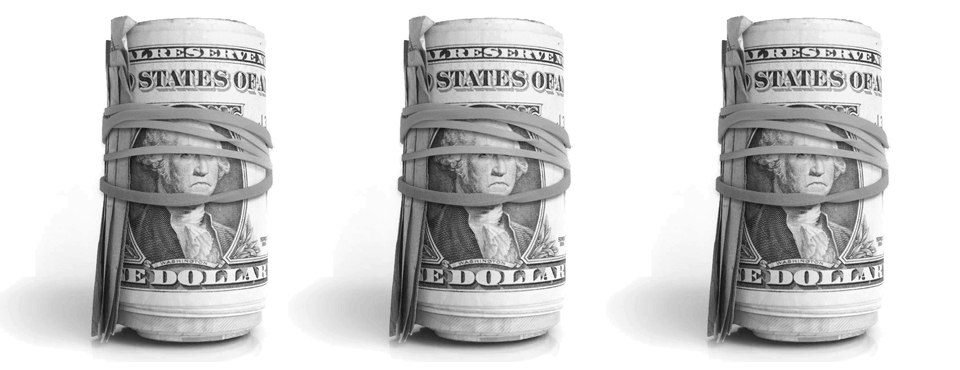
To buy or not to buy? Morality and markets
There is a shortage of donor organs for transplantation, and patients in need of an organ are typically placed on years-long waiting lists. Unfortunately, every year many people die while waiting for suitable organs. Economists have argued that a free market is the most efficient way to distribute goods, so why shouldn’t we allow for a free market in organs? In the distribution of kidneys, there is already quite a lot of trade, as one only needs one kidney to survive. If both parties (the poor guy in Nepal and the patient on the waiting list) improve their utility, why not make this market legal?

Why do shops cluster? Spatial competition and agglomeration in the Netherlands
Retail markets constitute a large fraction of the economies of most modern economies and facilitate the distribution of final goods and services to consumers. It seems that in general retail activities are clustered in city centres and secondary shopping centres. Does clustering of retailers imply larger profits or is this merely a result of urban planning? The master’s thesis Spatial Competition vs Spatial Agglomeration identifies and estimates the effect of being located close to other retailers of the same type on how much retailers pay for shopping space.

The internal structure of cities: the economics of agglomeration, amenities and accessibility
[this is the summary of my dissertation; click here for the Dutch summary] Introduction We have seen a vast increase in the number of people residing in urbanised areas in the last two centuries. It rose from about 7.5 percent in 1800 to more than 50 percent nowadays (Huriot and Thisse, 2000; Glaeser and…
- « Previous
- 1
- 2